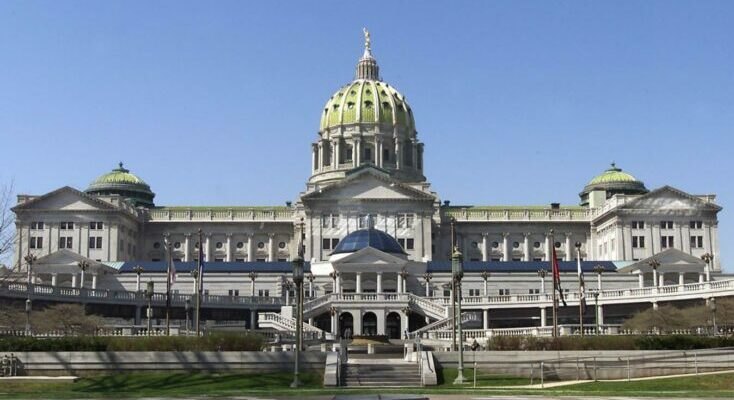
Chester County schools will receive more state dollars under Pennsylvania's 2026-27 budget, signed Sunday, July 12, by Gov. Josh Shapiro, though families in the West Chester Area School District are still waiting to learn exactly how much additional funding their schools will get.
The $50.8 billion spending plan passed the House 167-35 and increases public education funding through the state's adequacy and tax equity formulas without raising taxes. State Rep. Dan Williams, D-Chester, who voted for the budget, said his office calculated a 9.1% state funding increase for the Coatesville Area School District, 2.7% for Twin Valley and 1.1% for Octorara.
Williams' office did not release a specific figure for the West Chester Area School District, which serves roughly 12,000 students across Henderson, East and Rustin high schools and their feeder campuses. That missing number matters: WCASD is the largest district in Chester County's 160th legislative district, and the formula-driven allocation will determine how much local property taxpayers are asked to cover in the coming school year.
How the adequacy formulas direct money to local schools
Those increases flow from formulas lawmakers created in 2024 to close a $4 billion "adequacy gap" identified by a landmark court ruling that found Pennsylvania was illegally underfunding students in low-income districts, according to the Philadelphia Inquirer's reporting on the budget deal. State Sen. Vincent Hughes, D-Philadelphia, minority chair of the Senate Appropriations Committee, said the adequacy funding level in the final deal would be "consistent with what the governor proposed."
The formula directs more money to districts with higher concentrations of poverty, which explains why Coatesville's 9.1% jump dwarfs Octorara's 1.1%. How much WCASD receives depends on its enrollment, local tax capacity and student demographics under the formula. Districts with stronger local tax bases typically receive smaller percentage increases from the state, meaning WCASD families may see a modest bump rather than a dramatic one.
Last year's budget was not approved until November, forcing school districts and social service providers to take out expensive loans to stay open. Some districts closed programs entirely. This year's 12-day delay avoided a repeat, giving local administrators certainty before the school year begins.
"Students benefit from stronger schools and more opportunities," Williams said. "Most importantly, we advanced affordability without raising taxes."
$40 million for student teachers
The budget also creates a $40 million Student Teacher Stipend Program to help aspiring educators cover living costs during required unpaid classroom training. The program targets a persistent shortage: 9,000 teaching positions across Pennsylvania are unfilled or staffed by educators on emergency permits, according to Susquehanna Township superintendent Tamara Willis, writing in PennLive in June 2026. A decade ago, the state prepared 19,000 new teachers annually. That number has dropped below 7,000.
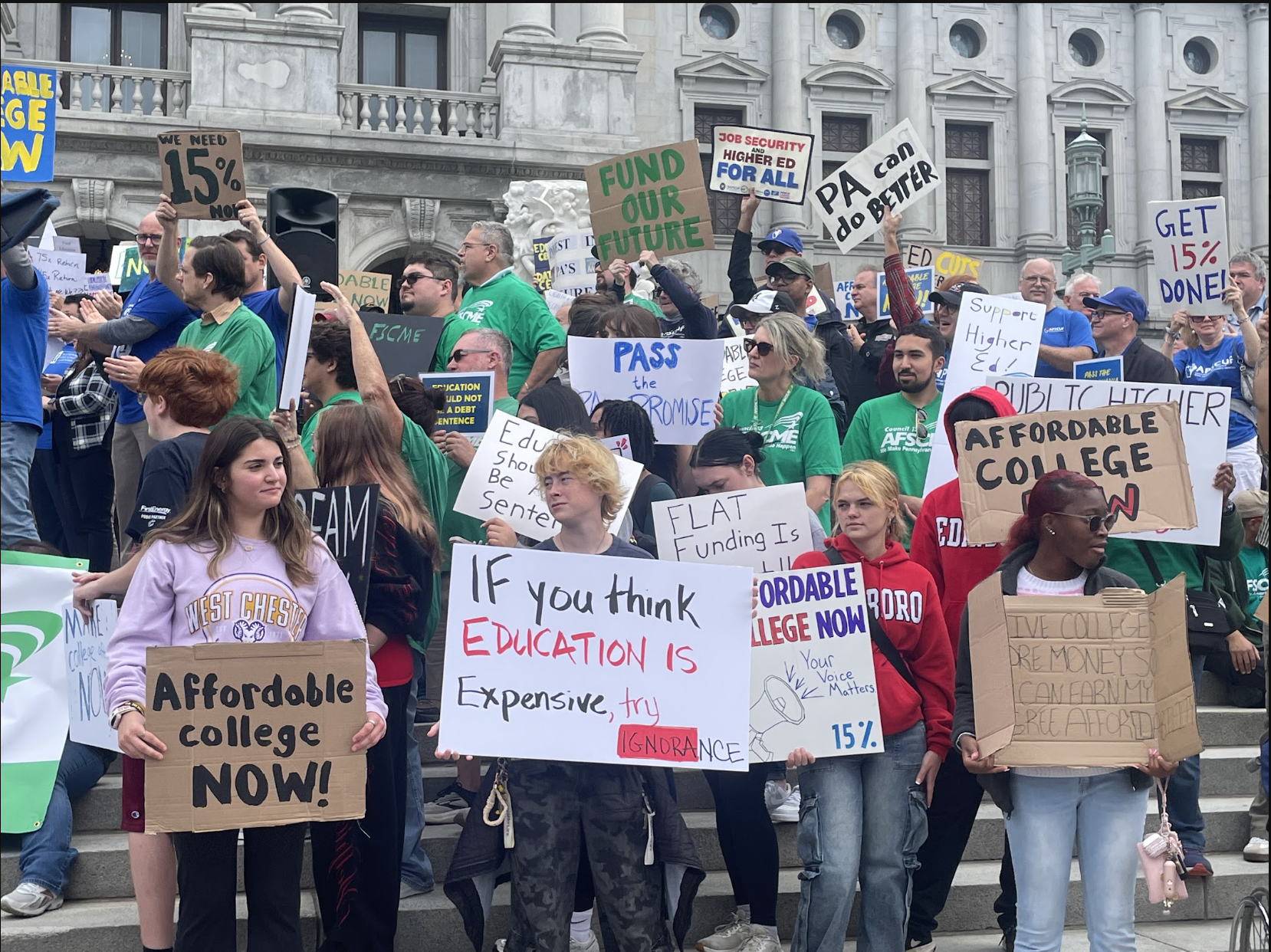
West Chester University, one of 10 schools in the Pennsylvania State System of Higher Education, requires student-teaching placements for all education majors seeking certification. WCU education majors who complete those placements would be among those eligible statewide, though per-student award amounts have not been announced.
Other education items
The budget includes a $10 million boost to career and technical education, which Shapiro highlighted at the signing ceremony in Harrisburg.
Separately, PASSHE announced Thursday, July 10, a "PASSHE Pledge" scholarship that will cover remaining tuition after federal Pell Grants and PA State Grants for eligible students starting in fall 2027. WCU students would qualify under that program as well.
Williams' office has not announced a date for a public briefing on Chester County's specific school allocations.